
How TMS Works
A plain language guide to the science, the session, and what to expect, before you decide anything.
TMS In 30 Seconds
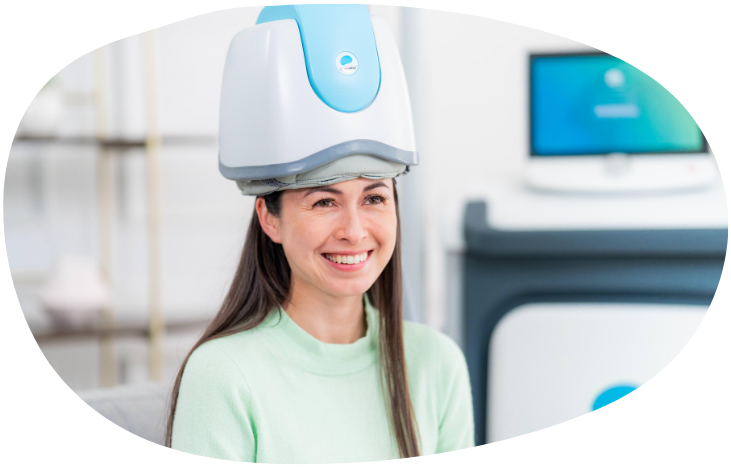
TMS uses magnetic pulses, not medication, to stimulate specific brain networks involved in mood or other symptomatology. There's no anesthesia, no systemic medication, and no downtime. Most people drive themselves home after each session.


THE MECHANISM
A Different Approach, One That Works Directly On Brain Circuitry
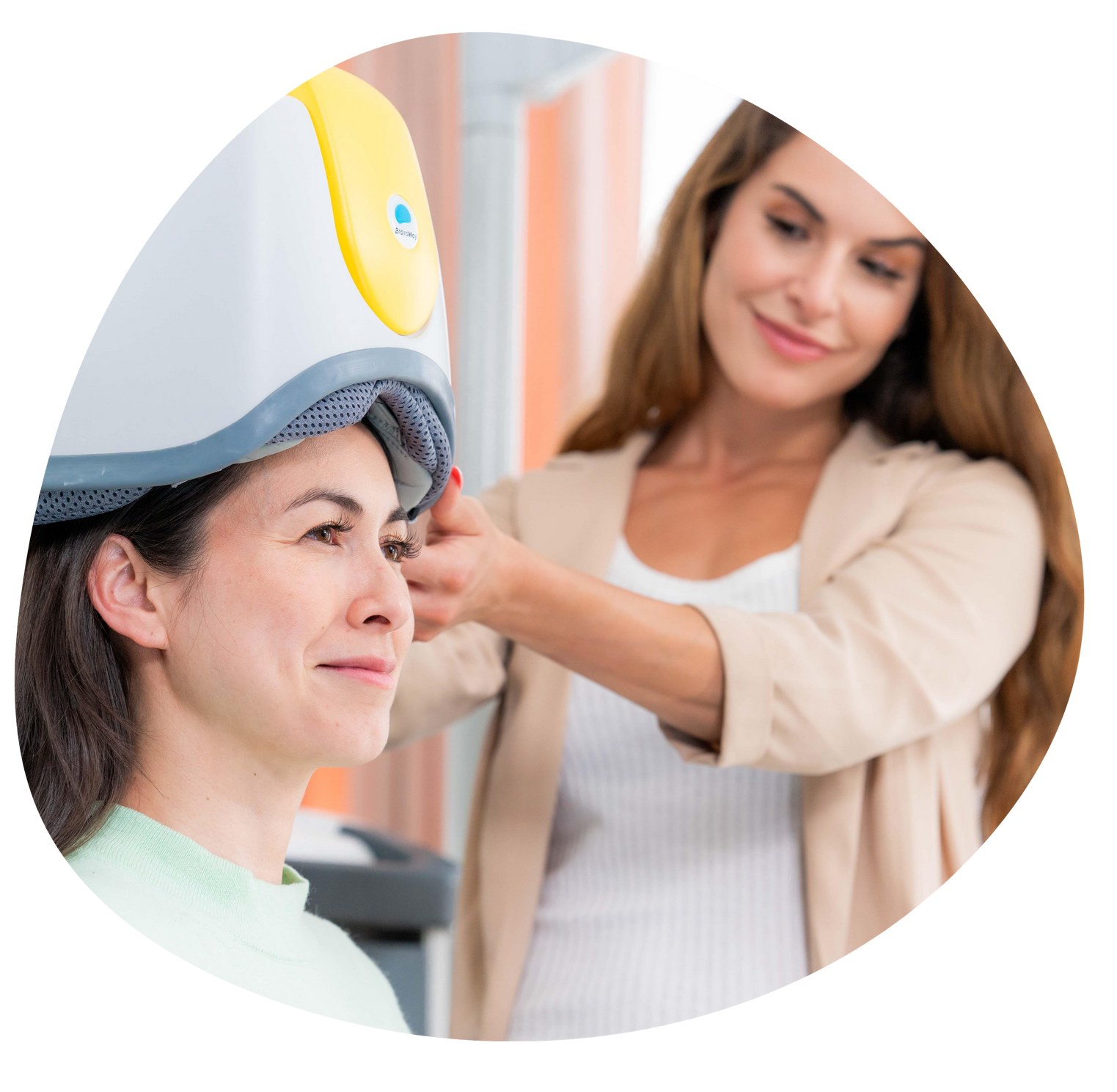
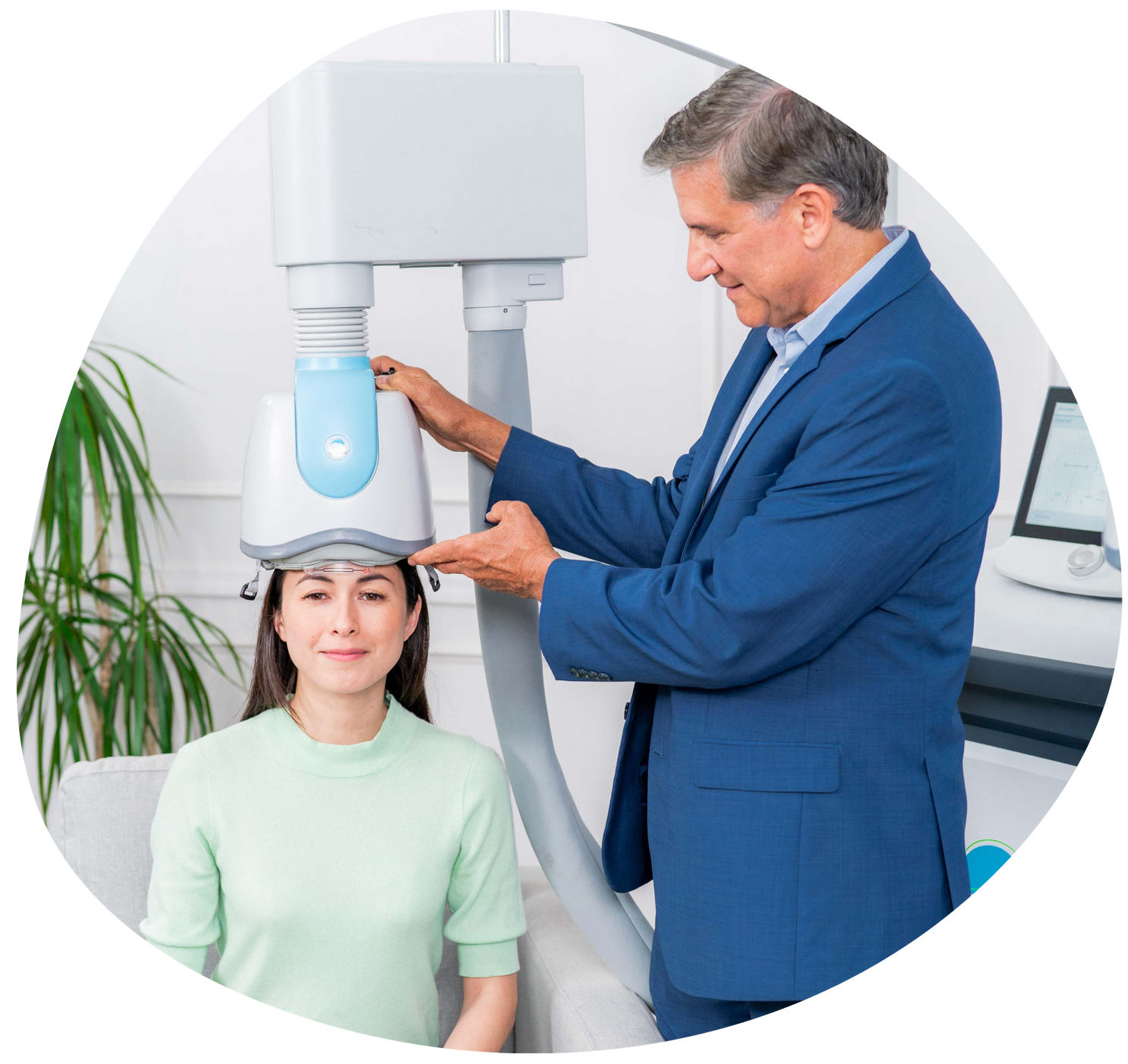
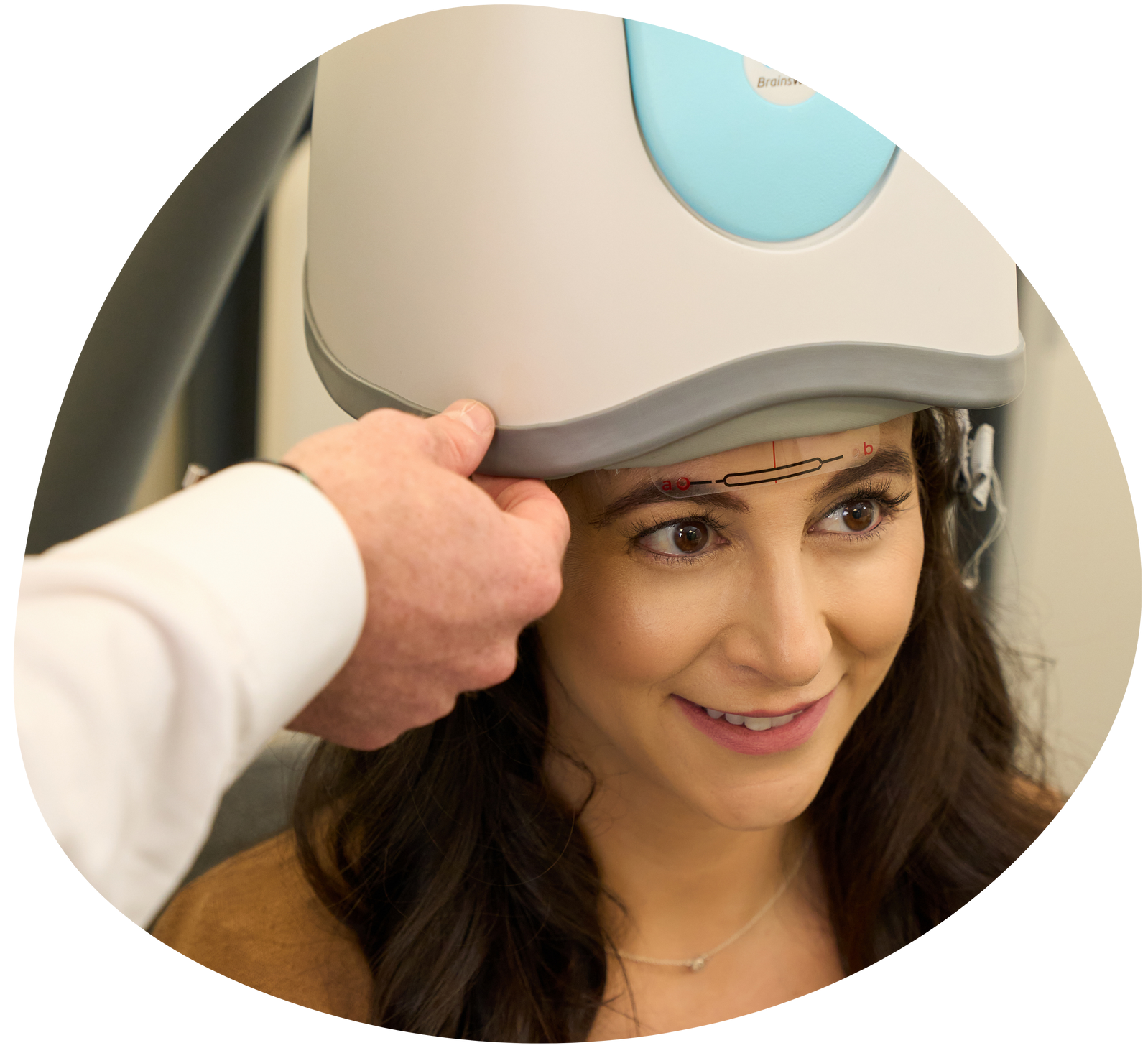
A magnetic coil positioned against the scalp delivers brief, focused pulses, the same strength as an MRI, that pass through the skull and activate the neurons underneath. A commonly targeted brain region is the dorsolateral prefrontal cortex, which is most consistently implicated in depression.
In depression, mood-regulating circuits may become underactive. TMS stimulates them directly to restore healthy neural communication over repeated activation.
WHAT TO EXPECT
Benefits Build, Side Effects Are Minor and Short Lived
Benefits
TMS produces no systemic side effects - nothing enters the bloodstream, so the weight changes, sleep disruption, and sexual dysfunction associated with antidepressants or other medications don't apply. There's no anesthesia and no cognitive impairment. Most people maintain their normal routine throughout the course.
Response builds over the treatment period. Many patients begin to notice changes two to four weeks in, with improvements continuing after the course ends. For some, benefit is sustained long-term without further treatment.
side effects
The most commonly reported effects are mild scalp sensitivity or a headache in the first few sessions, both of which typically ease as treatment progresses. Every course begins with a full safety screen. Any contraindications are identified before treatment starts, and your clinician monitors your response throughout.

Comparing Your Options
TMS vs Other Treatments
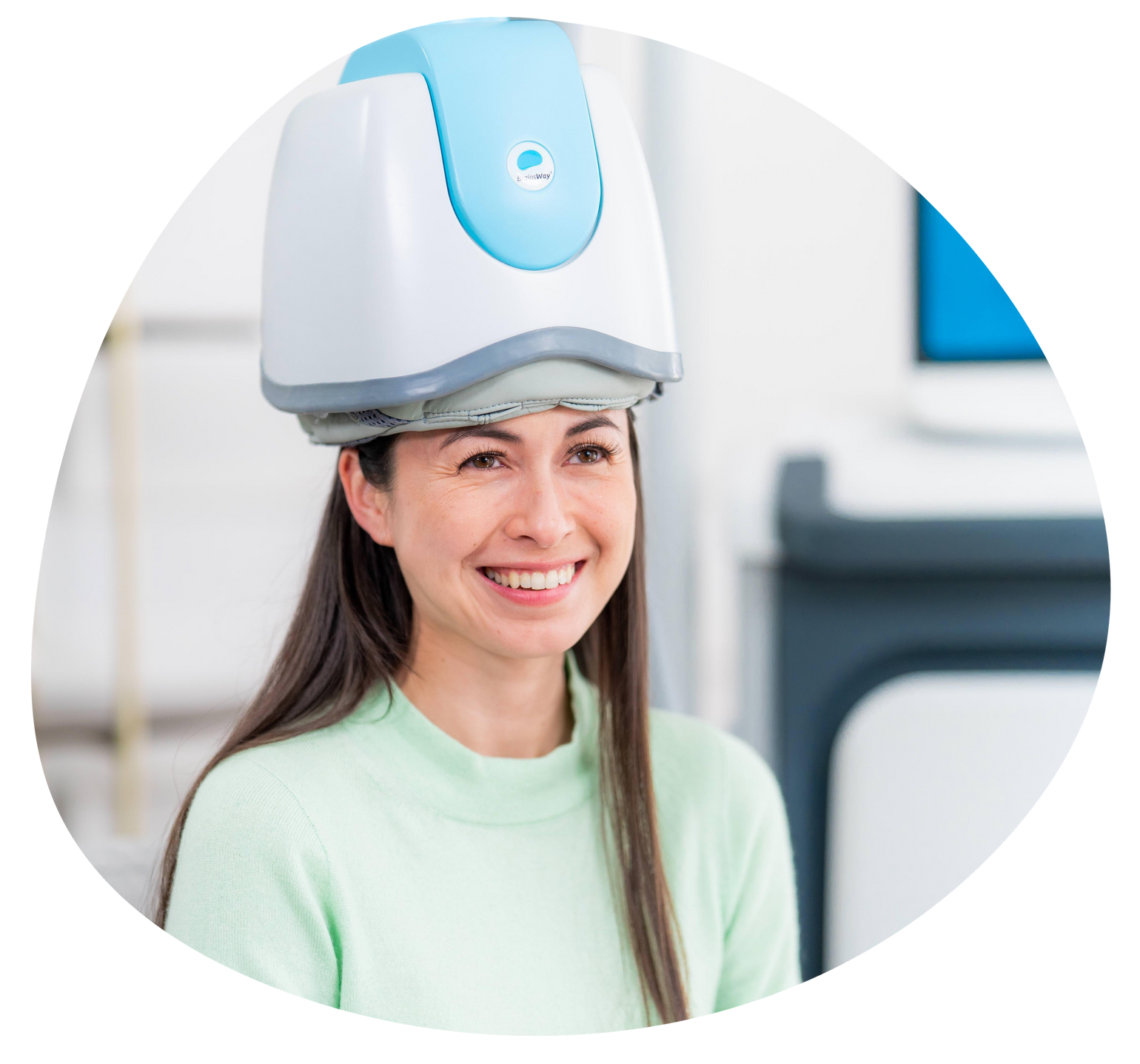
Standard antidepressants may adjust neurotransmitter levels gradually, with effects distributed throughout the body. TMS acts locally to regulate activity in specific, relevant neural circuits without anything entering the bloodstream.
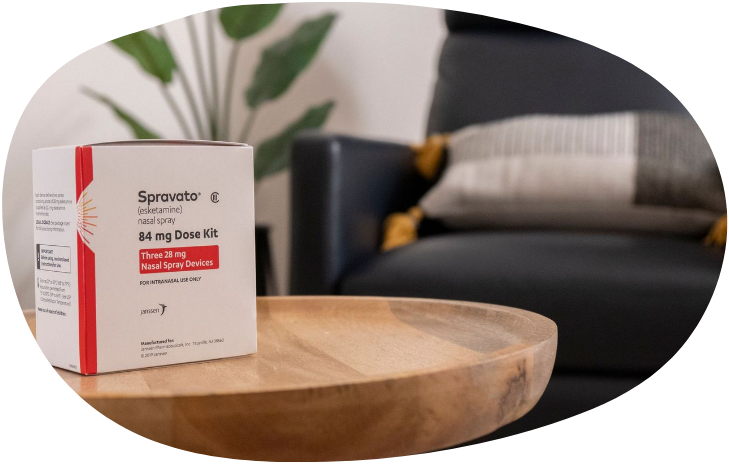
Spravato acts pharmacologically through the glutamate system - some patients notice relief within hours. TMS works through repeated magnetic stimulation over several weeks, with no medication involved. Both treat depression that hasn't responded to antidepressants. The right fit depends on your history, how quickly relief is needed, and practical factors like schedule and insurance.

Not sure which fits?
We'll help you work that out.
Comparing Your Options
TMS vs Other Treatments
Not sure which fits?
We'll help you work that out.
Standard antidepressants may adjust neurotransmitter levels gradually, with effects distributed throughout the body. TMS acts locally to regulate activity in specific, relevant neural circuits without anything entering the bloodstream.
Spravato acts pharmacologically through the glutamate system - some patients notice relief within hours. TMS works through repeated magnetic stimulation over several weeks, with no medication involved. Both treat depression that hasn't responded to antidepressants. The right fit depends on your history, the urgency of relief, and practical factors like schedule and insurance.
FAQ
Common Questions
Straight answers to the things people most often want to know before starting. If something isn’t covered here, call us or send a message, we’ll get back to you the same day.
Will I feel anything during the session?
A mild, painless tapping sensation on the scalp may be present. It's noticeable in the first few sessions. Most people adjust within a week. We can modify position and intensity if needed.
How soon might I notice a difference?
Many patients begin to notice changes two to four weeks into the course, with improvements continuing after treatment ends. Your clinician monitors progress throughout.
Can I continue my current medication?
In most cases, yes. Your clinician reviews your full medication list before treatment begins and advises on whether any adjustments are appropriate.
Does insurance cover it?
Often, yes, for qualifying diagnoses. Vivant Mind verifies your benefits and manages prior authorization before treatment starts.
Can I drive home after a session?
Yes. Unlike Spravato, TMS requires no observation period. You can drive yourself to and from every session.

Integrative Care.
One
Practice.

Integrated Care
TMS, Spravato, meds, and therapy, coordinated across your care plan.

Physician Led
Psychiatrist leads your care from first consultation to final session.
No Hidden Fees
Rates listed upfront. Insurance verified before you commit.

Evidence Based
Every treatment is FDA-approved or clinically proven.

Results Tracked
Symptom tracking built in. We adjust based on your response.

Built to Calm
A space built to feel as good as the care inside it.
Learn more
Not Sure Which Path to Take?
Guides, comparisons, and resources to help you decide with confidence.
Is TMS Right For Me?
A short self-screen to see if TMS might fit your symptoms and history.

Pricing Guide
Self-pay rates, insurance plans, and payment schedules, all in one place.

Free 20 Minutes
Speak to a Specialist
Contact Us
We will get back to you as soon as possible.
Please try again later.
Take the First Step.

We'll reply within one business day.
A clinician will call to confirm whether treatment is a good fit, no pressure.
We verify your insurance, provide a written cost estimate, and schedule your evaluation.
Prefer to call?
500 Manhattan Ave, Brooklyn, NY