
Is TMS Right for Me?
The questions worth sitting with, and our honest answers.
What is TMS?
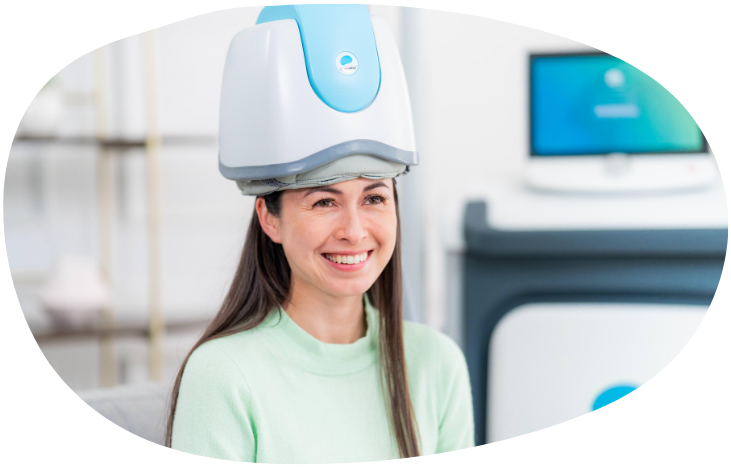
You sit in a chair, awake, while a device delivers focused magnetic pulses to a specific area of your scalp. That's the treatment. It's non-invasive, doesn't require anaesthesia, and most people return to their day straight after a session. TMS is FDA-cleared for major depressive disorder and OCD, and is most often considered when medication or therapy alone haven't been enough.
Who is tms for
Take Our 2 Minute
Self Assessment
A short set of questions to help you gauge whether TMS is worth a closer look.

Who is tms for
When standard options haven't been enough
TMS is for adults with depression or OCD when medication or therapy alone hasn't been enough. The clinical label is "treatment-resistant depression," which sounds harsher than it is - it doesn't mean the depression has won. It means at least one or two standard medication trials haven't yet produced a full response. A clinical signal, not a verdict. Most patients who'd benefit from TMS don't recognise themselves in the label - they just know the standard options haven't quite worked. If that's where you are, you're in the situation TMS is built for.

A HONEST SELF-CHECK
The questions worth sitting with
The thoughts below are the ones we hear most often from people considering TMS. Each is something we'd want to talk through with you in the clinic.
THOUGHTS
"I've been on medication, and it's helped some, but I'm not where I want to be."
This is the most common starting point for TMS. A medication that takes the edge off but doesn't get you the rest of the way isn't a failure - it's a partial response, and it's the clinical situation TMS is designed for. If you've had a full trial at an adequate dose and you're still meaningfully short, that's a clinical signal worth acting on.
THOUGHTS
"The side effects of medication are getting in the way of my life."
Weight changes, sexual side effects, emotional flatness, fatigue. These aren't trivial - they're often what makes people come off a medication that was otherwise helping. TMS doesn't circulate through the body, so it doesn't carry the same systemic side-effect profile.
THOUGHTS
"I want to know what I'm actually signing up for."
A standard course is around 36 sessions over six to nine weeks, five days a week, roughly 20 minutes a session. You sit in a chair, awake, while a device delivers focused pulses to a specific area of the scalp. You can drive yourself to and from appointments and work straight through. A real commitment, but a defined one.
THOUGHTS
"I want to know whether it's safe for me, specifically."
TMS is safe for most people, but a few medical situations need checking first. Some rule it out - metal implants in or near the head, like aneurysm clips or cochlear implants, and a history of seizures. Others don't rule it out but need careful review, including pacemakers and other cardiac devices, recent head or neck surgery, and pregnancy. The most common side effects are mild scalp sensitivity or a short-lived headache, which usually settle as you adjust. If TMS isn't safe or appropriate for you, we'll tell you that.
If you're in an immediate crisis, please don't wait for a consultation.
If you're experiencing active suicidal thoughts with intent, severe psychosis, or another psychiatric emergency, the right next step isn't a six-week protocol. Call 988 (Suicide and Crisis Lifeline) or go to your nearest emergency department. We're happy to help you find appropriate care once you're safe - but please get safe first.
Will my insurance cover TMS?
Most major insurance plans cover TMS for major depressive disorder when medical-necessity criteria are met. Coverage for OCD is more variable. We verify your benefits, handle prior authorisation, and give you a written estimate of costs before you commit to anything.
When will I start to feel a difference?
Most patients begin to notice changes within two to four weeks of starting treatment, with the full effect building over the course. Some feel it sooner, some later - a course is designed around the cumulative effect, not a sudden one.
Can I keep taking my current medication?
In most cases, yes. TMS is often delivered alongside ongoing medication, and the two can work together. We review your current regimen during your consultation and coordinate with your prescriber if needed.
Is TMS painful?
Most people describe it as a tapping sensation on the scalp. The first one or two sessions can feel uncomfortable while you adjust, and a short-lived headache is the most common side effect during the first week. Both usually settle quickly.

Integrative Care.
One
Practice.

Integrated Care
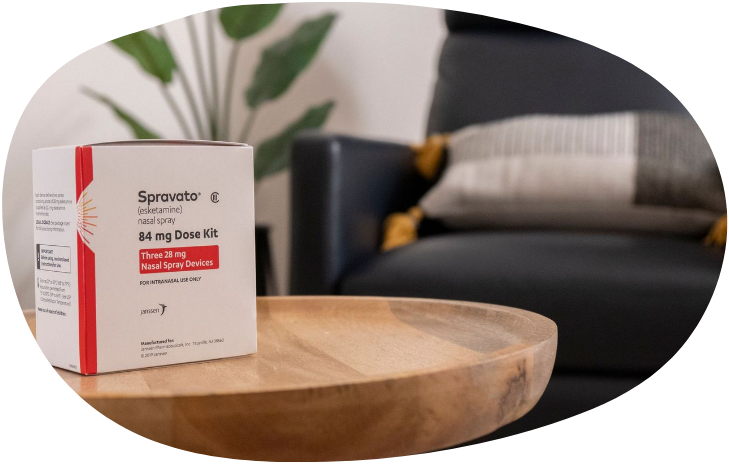
TMS, Spravato, meds, and therapy, coordinated across your care plan.

Physician Led
Psychiatrist leads your care from first consultation to final session.
No Hidden Fees
Rates listed upfront. Insurance verified before you commit.

Evidence Based
Every treatment is FDA-approved or clinically proven.

Results Tracked
Symptom tracking built in. We adjust based on your response.

Built to Calm
A space built to feel as good as the care inside it.
Learn more
Not Sure Which Path to Take?
Guides, comparisons, and resources to help you decide with confidence.
Conditions Treated
Depression, anxiety, OCD, PTSD, and the other concerns we treat at Vivant.

Pricing Guide
Self-pay rates, insurance plans, and payment schedules, all in one place.
Free 20 Minutes
Speak to a Specialist
Contact Us
We will get back to you as soon as possible.
Please try again later.
Take the First Step.

We'll reply within one business day.
A clinician will call to confirm whether treatment is a good fit, no pressure.
We verify your insurance, provide a written cost estimate, and schedule your evaluation.
Prefer to call?
500 Manhattan Ave, Brooklyn, NY