
TMS Therapy
Brooklyn, NY
Non-drug. No anesthesia. No downtime.
FDA-cleared. Drive yourself after sessions.
Transparent pricing. Insurance-friendly.
What is TMS
Magnetic Pulses. Meaningful Change.
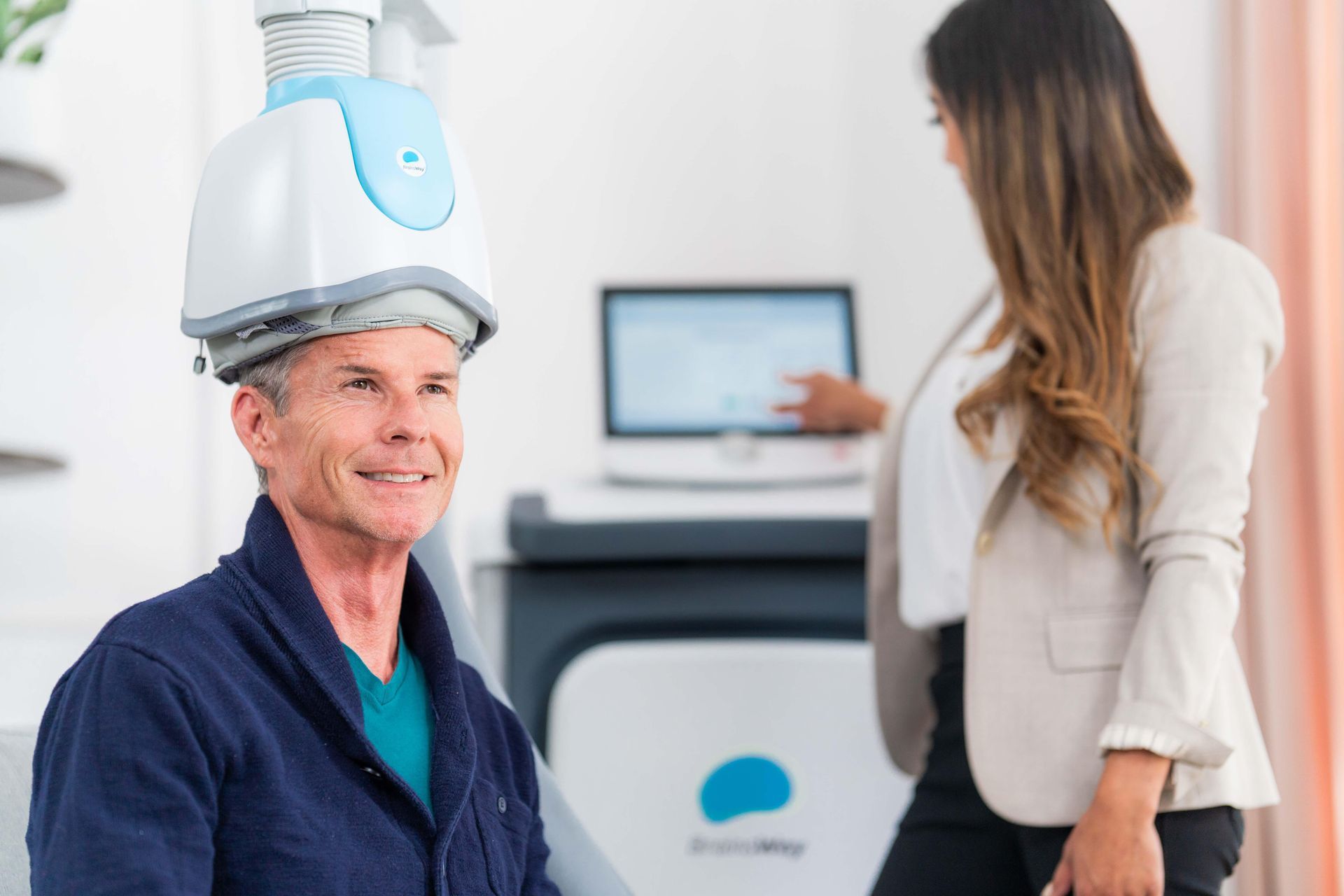
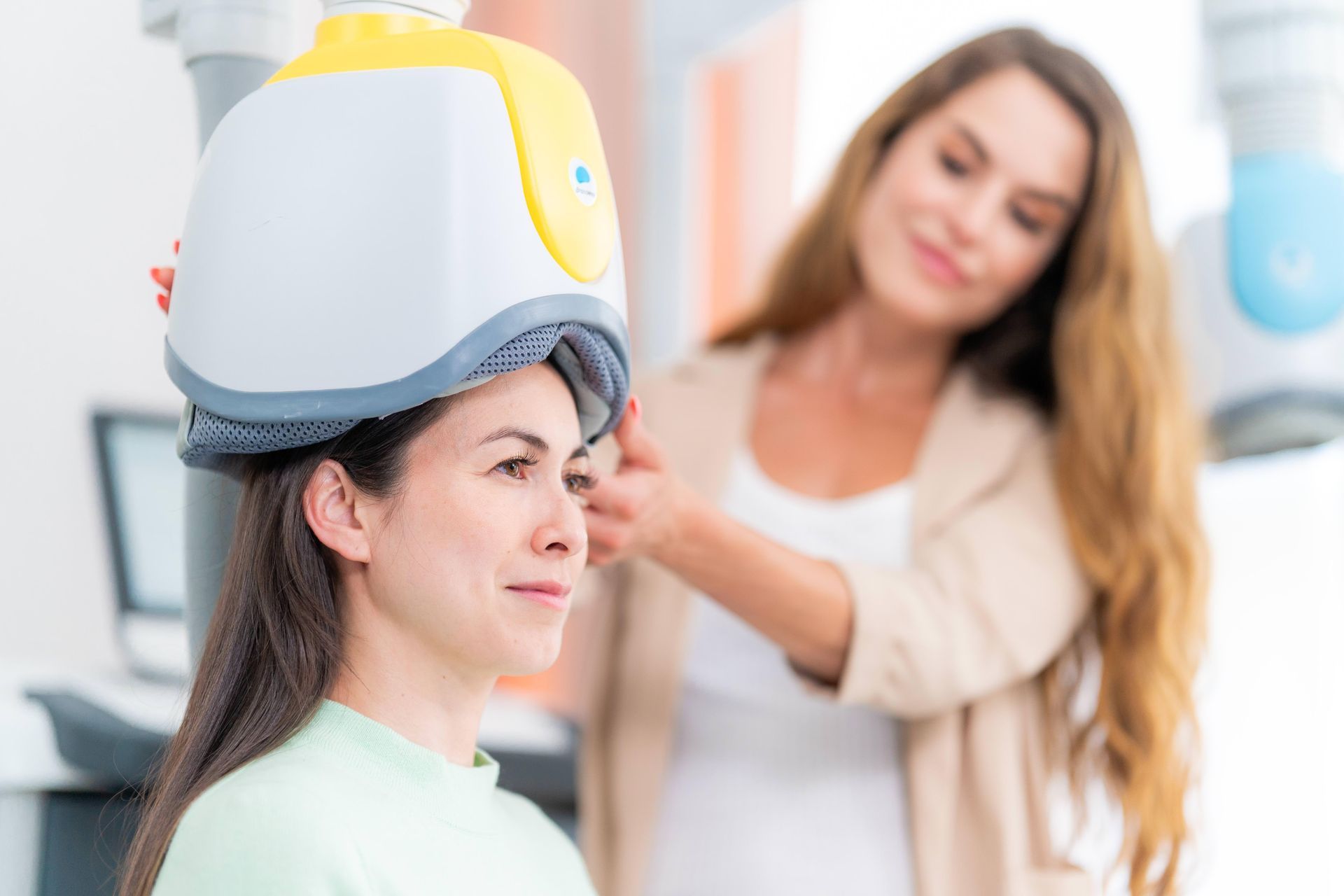
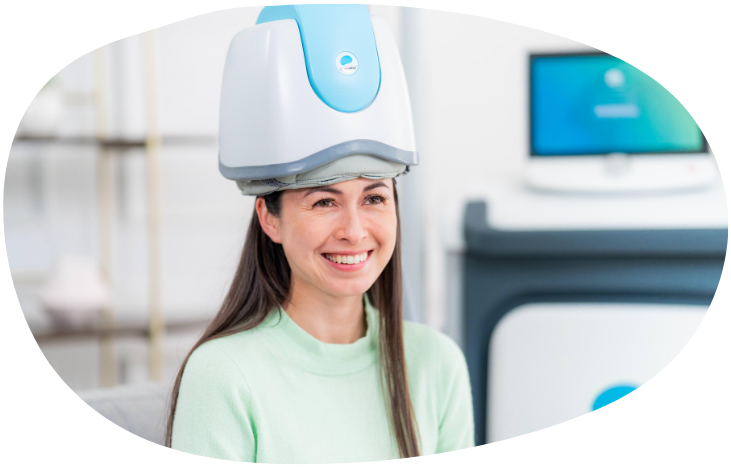
Transcranial Magnetic Stimulation (TMS) uses gentle, MRI-strength magnetic pulses to stimulate specific brain networks involved in mood regulation. There’s no anesthesia, no surgery, and no systemic medication. Most patients return to their normal routine immediately after each session.
At Vivant Mind, TMS is delivered under physician oversight, not delegated to technicians. Your care is led by a psychiatrist from the first consultation through your final session.
WHO IT HELPS
Is TMS the Next Step?
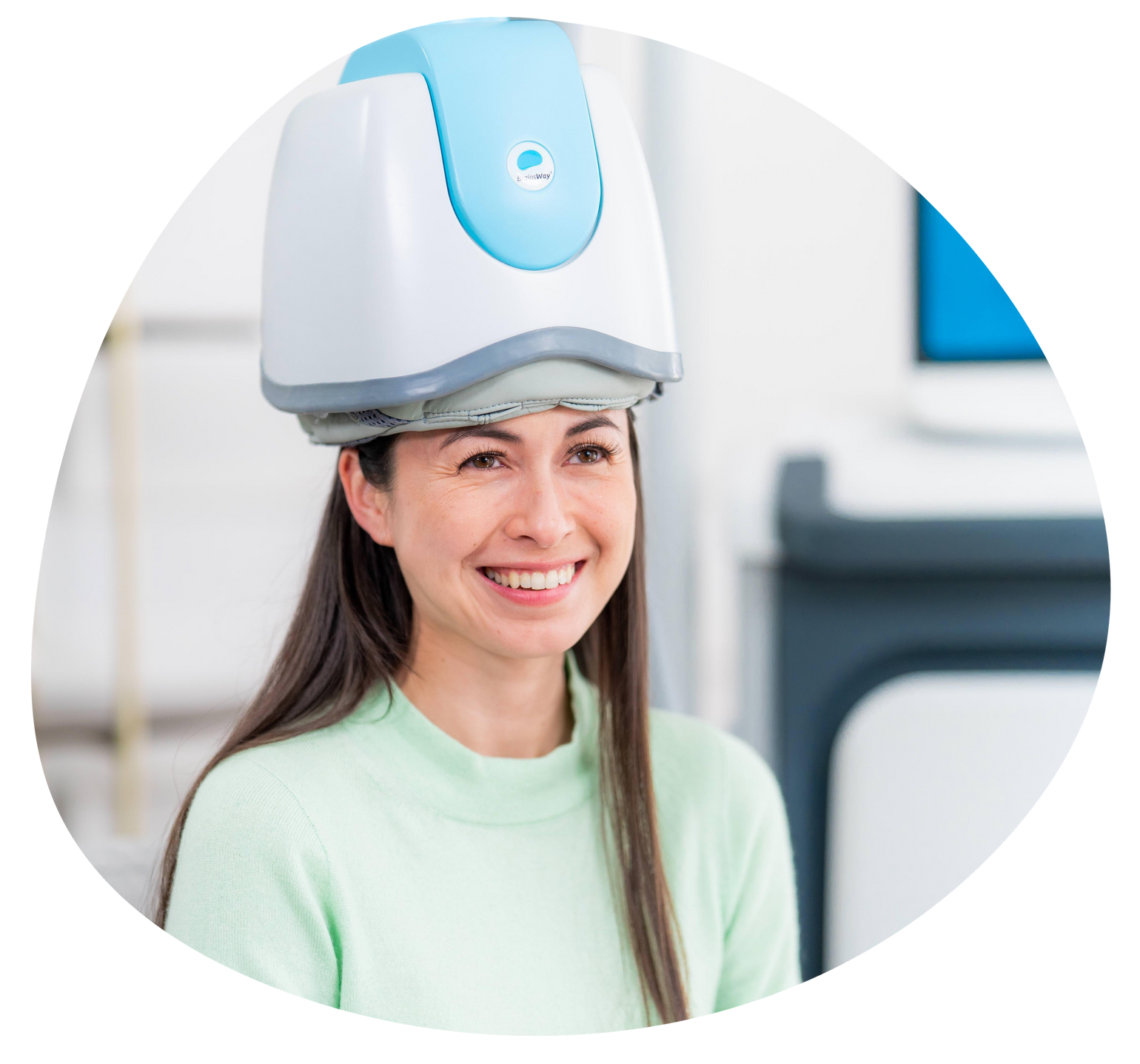
TMS is a proactive treatment option, not a last resort. Many people come to us after years on medications that only partially worked, or stopped working. Others prefer to avoid medication altogether. Both are valid starting points.


Your Treatment Journey
We make the process clear from the start, no surprises, no jargon. Here's exactly what happens from your first consultation through to the end of your treatment course and beyond.

Free Consultation & Candidacy
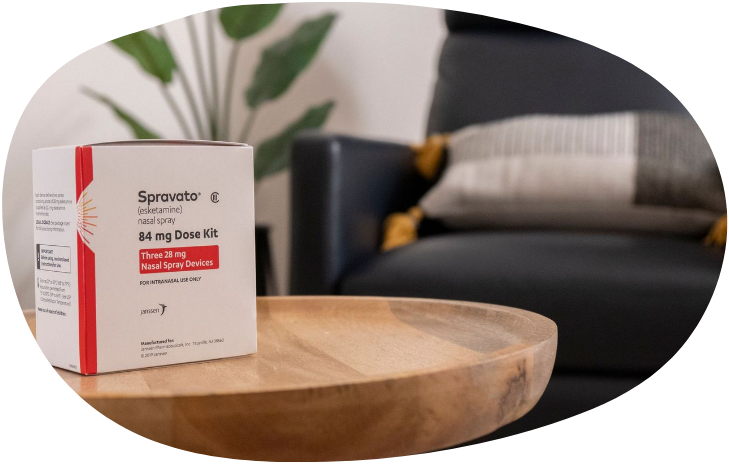
A free initial evaluation with our psychiatrist to confirm TMS is appropriate and safe for you. We'll also discuss how TMS fits alongside Vivant Mind's other treatments, including Spravato and medication management, and whether a combined approach may be beneficial.
Motor Mapping & First Session
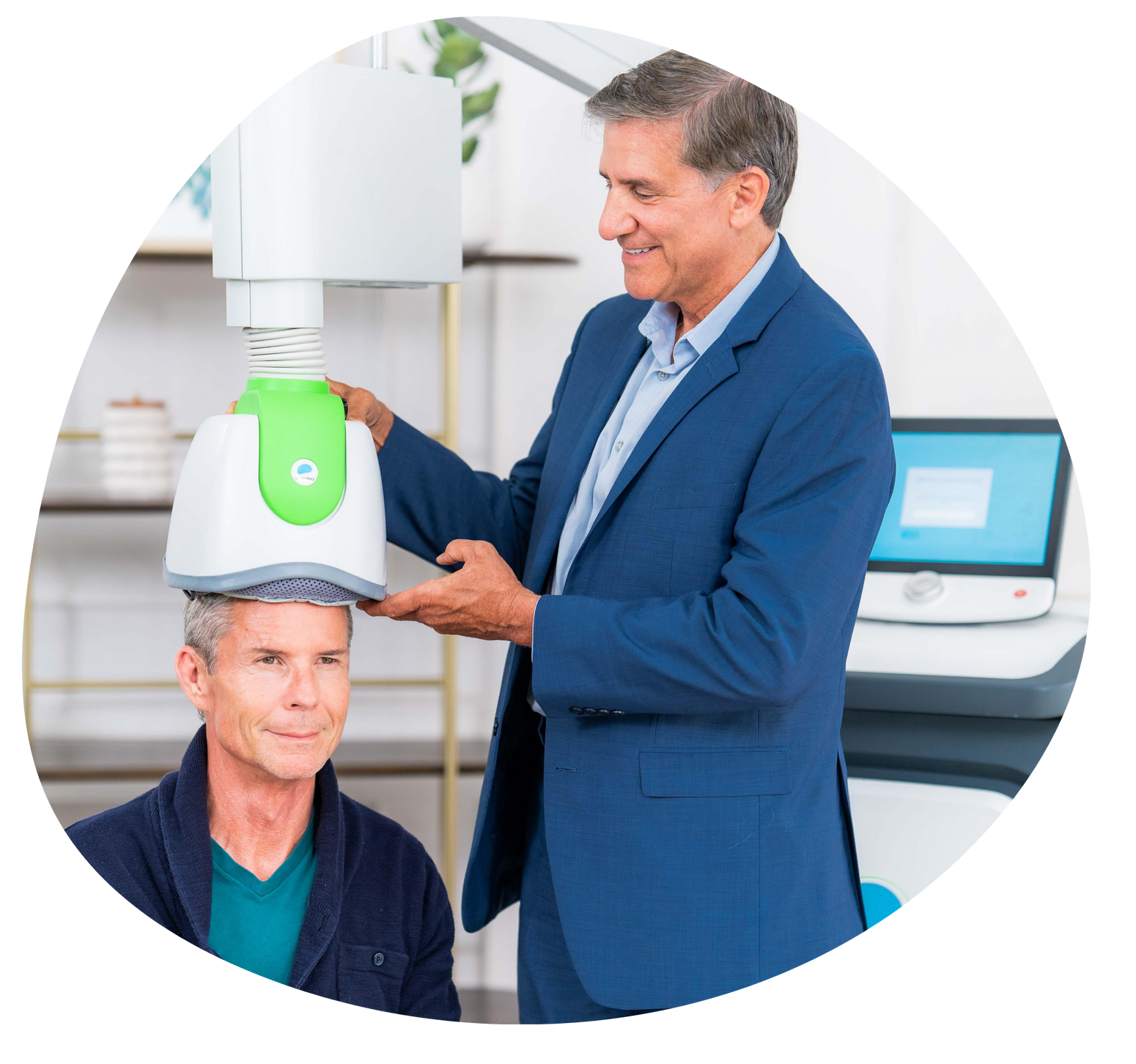
We identify your motor threshold, the minimum pulse intensity needed to activate a specific hand muscle, to individualize your treatment dosage. The coil is then precisely positioned over the mood-related brain networks we're targeting, and fine-tuned for your comfort.

Your Treatment Course
Sessions typically run on weekdays over several weeks, with each stimulation block lasting around 20 minutes. Many patients begin noticing changes within two to four weeks, with benefits continuing to build across the full course. You can read, relax, or watch something during sessions, and drive yourself home afterward.
Your Treatment Journey
We make the process clear from the start, no surprises, no jargon. Here's exactly what happens from your first consultation through to the end of your treatment course and beyond.

Free Consultation & Candidacy
A free initial evaluation with our psychiatrist to confirm TMS is appropriate and safe for you. We'll also discuss how TMS fits alongside Vivant Mind's other treatments, including Spravato and medication management, and whether a combined approach may be beneficial.
Motor Mapping & First Session
We identify your motor threshold, the minimum pulse intensity needed to activate a specific hand muscle, to individualize your treatment dosage. The coil is then precisely positioned over the mood-related brain networks we're targeting, and fine-tuned for your comfort.
Your Treatment Course
Sessions typically run on weekdays over several weeks, with each stimulation block lasting around 20 minutes. Many patients begin noticing changes within two to four weeks, with benefits continuing to build across the full course. You can read, relax, or watch something during sessions, and drive yourself home afterward.
Maintenance & Follow-Up
Some patients benefit from taper sessions or periodic maintenance, depending on how symptoms evolve. We'll build a post-treatment plan with you once your initial course is complete.

BENEFITS
Why Patients Choose TMS
TMS isn’t a miracle treatment, but for the right candidates, it can produce changes that other interventions haven’t. Here’s what makes it a genuinely distinct clinical option.
No systemic side effects, no weight changes, sexual dysfunction, or fatigue that some medications can cause.
No downtime, return to work, school, or daily life directly after each visit.
Durable improvement, many patients experience lasting improvements in mood and functioning, particularly when TMS is paired with supportive care such as therapy or activity planning.
SAFETY & SIDE EFFECTS
Well-tolerated. Closely Monitored.
TMS is well-tolerated by the vast majority of patients. The most commonly reported effects are temporary scalp sensitivity or a mild headache during the first few sessions; these typically ease as treatment progresses and can be managed with simple adjustments or over-the-counter analgesics. Before you begin, your psychiatrist will conduct a detailed safety screening and walk you through any rare risks relevant to your medical history.
Accepted Insurance Plans
Transparent Pricing. No Surprises.
Most major insurers cover TMS for treatment-resistant depression when clinical criteria are met, typically, this means having tried one or more antidepressants without sufficient improvement. We verify your benefits before you start, so there are no surprises.
Insurance
Self Pay

Aetna
Accepted
Cigna
Accepted
UnitedHealthcare / Oxford
Accepted
Blue Cross Blue Shield (Empire BCBS / Anthem BCBS)
Accepted
+ 7 additional plans on network availability

Self-Pay Package
Full TMS course: consult, remapping & 30-36 sessions
$9,600
Payment schedule
50% upfront / 50% after session 10
Our Team Will
Verify your benefits and manage prior authorisation requirements.
Discuss self-pay options and payment flexibility if needed.
Provide a clear estimate of your likely out of pocket costs before you commit.
FAQ
Common Questions
Straight answers to the things people most often want to know before starting. If something isn’t covered here, call us or send a message, we’ll get back to you the same day.
Is TMS the same as ECT (shock therapy)?
No. TMS uses focused magnetic pulses while you’re fully awake. ECT delivers electrical stimulation under general anesthesia. TMS requires no anesthesia, causes no seizures, and has no recovery time.
Will I feel anything during a session?
Most patients feel a gentle tapping sensation at the scalp. This isn’t harmful, and we can adjust the coil position and intensity to improve comfort. The sensation typically becomes easier to tolerate after the first few sessions.
Can I stay on my current medications?
In most cases, yes. We’ll review your current regimen and work with you on whether to continue, adjust, or simplify it during TMS treatment.
When will I start to feel better?
Responses vary. Many patients begin noticing changes within two to four weeks, with benefits building across the full course. The mechanism is cumulative; we track symptoms throughout, so progress is visible.
Does TMS help with anxiety or OCD?
Many patients with anxious depression experience meaningful relief. FDA-cleared protocols also exist for OCD. If that’s relevant to your situation, we’ll discuss whether a tailored approach is appropriate.
Is TMS covered by insurance?
Often yes, for treatment-resistant depression. Coverage depends on your specific plan and history. We verify benefits before you start, so there are no surprises.

Integrative Care.
One
Practice.

Integrated Care
TMS, Spravato, meds, and therapy, coordinated across your care plan.

Physician Led
Psychiatrist leads your care from first consultation to final session.

No Hidden Fees
Rates listed upfront. Insurance verified before you commit.

Evidence Based
Every treatment is FDA-approved or clinically proven.

Results Tracked
Symptom tracking built in. We adjust based on your response.

Built to Calm
A space built to feel as good as the care inside it.

Vivant Mind brings together the full spectrum of modern psychiatric care, advanced treatments, medication, and therapy, under one roof, led by a psychiatrist, in a space designed to feel as good as the care we provide.
RELATED SERVICES
More From Our Practice
Learn more
Not Sure Which Path to Take?
Guides, comparisons, and resources to help you decide with confidence.
Is TMS Right For Me?
A short self-screen to see if TMS might fit your symptoms and history.

Pricing Guide
Self-pay rates, insurance plans, and payment schedules, all in one place.

Free 20 Minutes
Speak to a Specialist
Contact Us
We will get back to you as soon as possible.
Please try again later.
Take the First Step.

We'll reply within one business day.
A clinician will call to confirm whether treatment is a good fit, no pressure.
We verify your insurance, provide a written cost estimate, and schedule your evaluation.
Prefer to call?
500 Manhattan Ave, Brooklyn, NY